
What getting locked out on my balcony taught me about technology, features, and why we buy what we buy?
There’s a particular silence you notice when you realise you’re locked out. Not locked out of the house, which at least puts you on a street with people. Locked out on your balcony, with the door shut behind you and your phone sitting on a table a few feet away, on the other side of the glass.
This has happened to me twice now.
The first time, I broke the lock
The first time, I had no options. No one heard me, nothing was in reach, and eventually the only way back in was to force the lock. It worked, but it cost me a repair and a fair bit of pride.
The second time, I shouted at my laptop
The second time, I was cleaning the balcony and the door locked again. This time my main door was open, so I didn’t need anything dramatic. I just needed someone to come over and unlock the safety door with the code.
So I did the obvious thing and called out my neighbour’s name through the window. Again, and then again. No answer. There was nobody else around to hear me either.
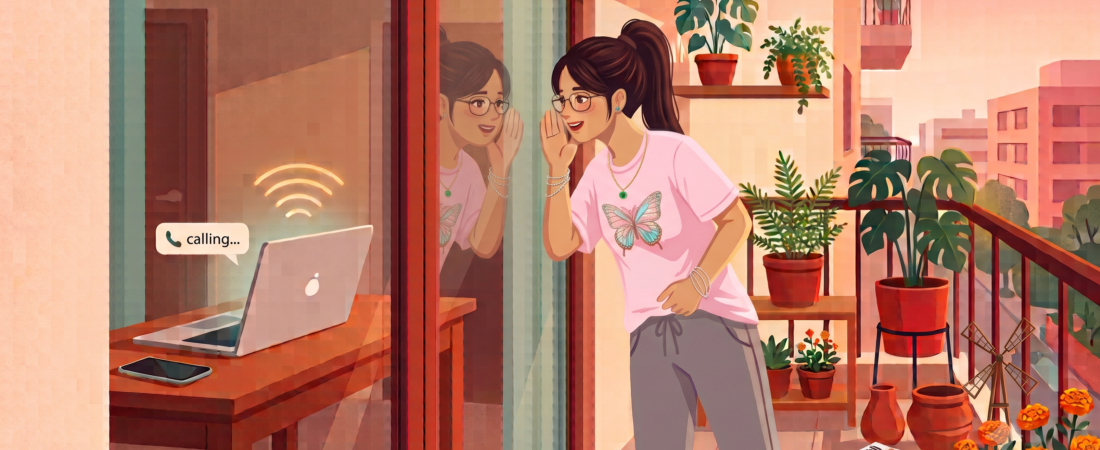
Then I looked through the glass and saw my iPhone and my MacBook on the table beside the balcony door. It was a long shot, but I thought: what if Siri can hear me?
I shouted, “Hey Siri, call [my neighbour].”
My MacBook picked it up and placed the call through my iPhone. My neighbour answered, I explained, and within five minutes the door was open and I was back inside, a little embarrassed and very relieved.
The feature nobody puts on a billboard
What stayed with me afterwards wasn’t the rescue. It was how it happened.
When people talk about Apple, the conversation usually lands on the camera, the design, or the price. Sometimes it turns into a debate about whether owning an iPhone is a status symbol. I get why. Apple markets beautifully, and the products look good on a café table.
But nothing that saved me that day was on a billboard. It was a quiet feature: my devices knew about each other. My laptop could make a phone call because my phone was nearby and signed in to the same account. Nobody buys a MacBook for that. Yet that was the feature that mattered most to me that afternoon.
Features only matter if you know they exist
This is the part that ties back to marketing for me.
Most of us use a fraction of what our devices can do. We learn the basics, build habits, and stop exploring. Continuity, Handoff, a shared clipboard, AirDrop, calls and messages across devices: plenty of people own the full ecosystem and never touch half of it.
Those features aren’t meant to impress. They’re there so that when something goes slightly wrong, your tools help rather than get in the way. It’s the old saying, a stitch in time saves nine. A feature you knew about and set up months ago can save you a whole afternoon of trouble.
It also changed how I see the “status symbol” argument. Some people buy Apple to be seen with it, sure. But many of us stay for something less visible: the experience of everything working together. I haven’t used every other ecosystem, so I won’t claim Apple is the only one that does this well. I can only say this is where it has proved itself to me, in a real moment, and not in a spec sheet.
What I’m taking away
Three things, really:
- Know your tools. Spend ten minutes exploring settings you’ve never opened. The day you need them, you won’t have time to learn.
- Value is shown in moments, not in marketing. The best product story I’ve heard about Apple isn’t in an ad. It happened on my balcony.
- Keep a spare key somewhere. Some lessons aren’t about technology at all.
Technology earns its place when it fits into life’s small, unglamorous emergencies. Mine happened to involve a balcony, a locked door, and a laptop that was listening